

Reflections on the US Presidential Election and What’s Next for the Social Sector
Following a landmark national election in the United States, we present a series of reflections on the outcome and its effects on civil society and the social sector.
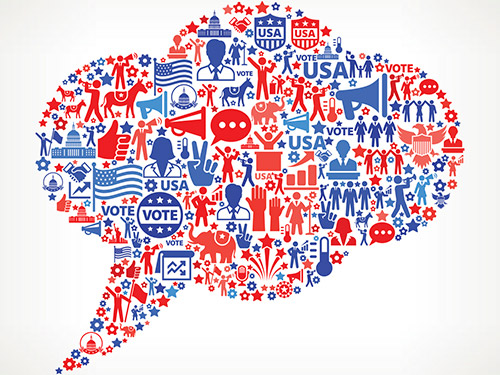
Following a landmark national election in the United States, we present a series of reflections on the outcome and its effects on civil society and the social sector.
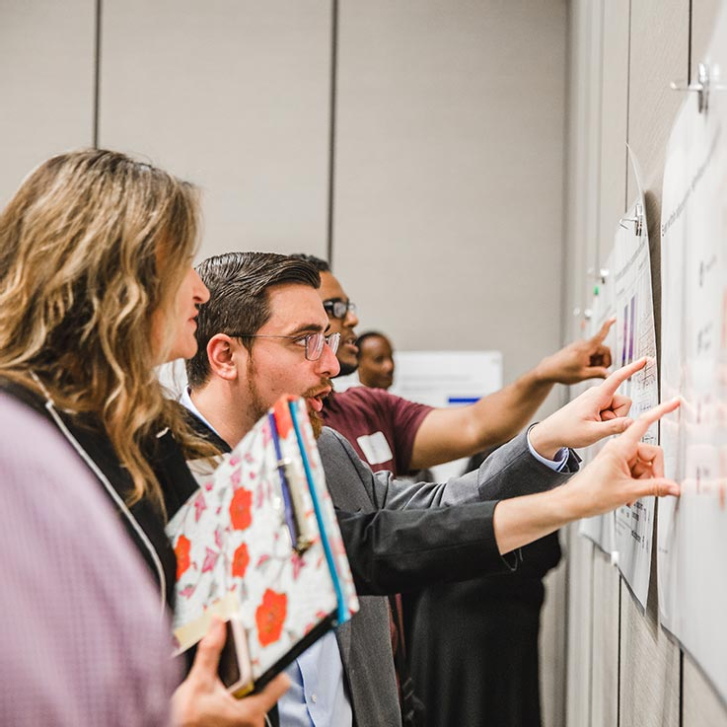
Establishing a shared understanding of Fresno’s racist policies and practices is key to how The Shared Prosperity Partnership will share power with residents who have been routinely excluded.

Instead of pressuring already-stressed individuals to fix themselves, true wellness requires organization-level interventions.
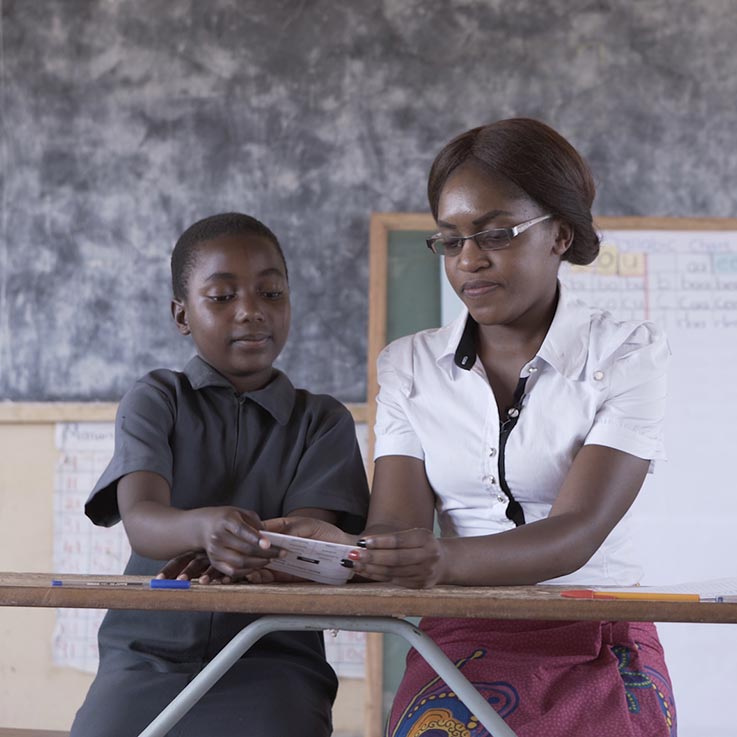
Research from the Abdul Latif Jameel Poverty Action Lab (J-PAL) and its partners shows how to help children learn amid erratic access to schools during a pandemic, and how those solutions may make progress toward the Sustainable Development Goal of ensuring a quality education for all by 2030.

To build healthy, resilient organizations, nonprofits need to do more than adopt standard diversity, equity, and inclusion practices. They need to acknowledge systemic racism then commit to and implement processes to upend it.
A new book prescribes an active approach to managing uncertainty and creating positive outcomes in a fast-changing world.
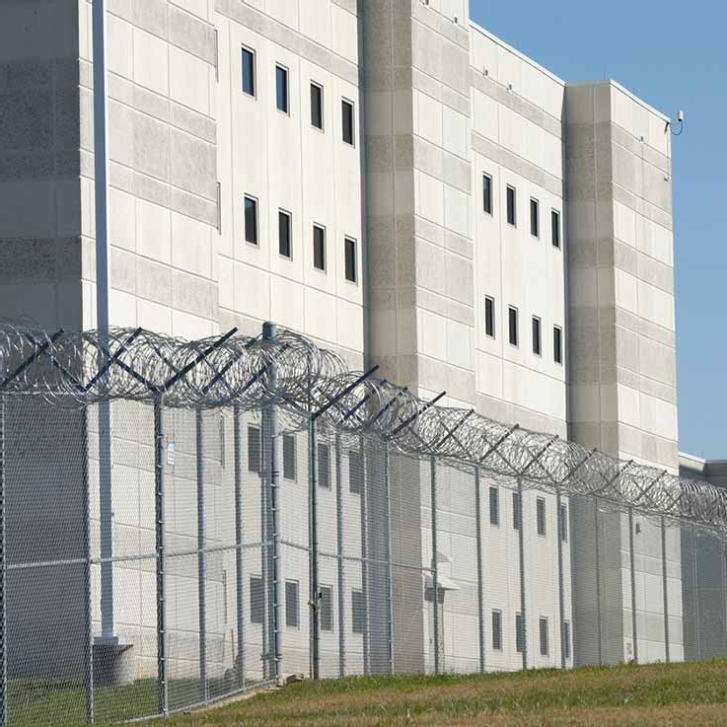
How a college-in-prison nonprofit continues to teach during prison quarantine.

To transform how early medical data is shared, reviewed, and published, MIT and UC Berkeley are developing a new model of academic publishing.

As a macro risk factor, climate change needs to be disentangled from the other social and governance mandates in the ESG investing rubric.
Hire Purpose proposes how the insurance industry’s practice of actuarial science can be utilized to train a new generation of workers in the COVID-19 world.